On Tuesday, the NCAA changed its eligibility structure.
Players have five years to play college sports after high school graduation or the athlete’s 19th birthday. No redshirts. No grayshirts. No lawsuits for waivers or injections. Five years, and that’s it. Well, kind of. More on that later.
These new regulations simplify eligibility questions and will affect different sports in different ways in this ever-changing landscape of collegiate athletics.
WHEN DOES IT START?
The rules about the implementation of the new system are clear.
If you completed your fourth year of eligibility in the 2025-26 school year, your clock is done. The change does not apply.
Currently enrolled student athletes with additional eligibility remaining may use the new model if beneficial. That means a fifth year post-high school graduation or following the 19th birthday.
Prospective student athletes that will graduate from high school in 2026 or 2027 will be held to the age-based model.
Prospects who graduated prior to spring 2026 and have not enrolled: The NCAA Eligibility Center will review the prospect’s individual circumstances and apply the age-based model or existing delayed enrollment eligibility rules, whichever is most beneficial to that individual.
LSU’S BASKETBALL BREAKDOWN
That final point applies to international players like Yam Madar, Marcio Santos and Brice Dessert. Madar is 24 years old and will turn 25 on December 21. Under the new rules, his 24th birthday last December would have exhausted his eligibility. LSU will very likely use his two years of military service in an appeal to the NCAA Eligibility Center.
Dessert turned 23 on March 25. That means college basketball’s season would be ending the week of his 24th birthday or five years after his 19th birthday. That case feels like a one-year eligibility ruling would make sense.
Santos will turn 24 on November 2. He’s a little bit closer to questionable.
The new ruling declares that all eligibility waivers must be filed by July 31, so LSU has five weeks to get those in.
BASEBALL LEVERAGE
Leverage is the buzz word this time of year in college baseball. Players with an additional year of eligibility have been able to use that to pry more or fair market money from MLB organizations in the draft. Players out of eligibility have had to take what they could get.
That’s still the case in some spots. Last summer Julian Tonghini from Arizona went sixth pick of the seventh round, a $302k slot, and signed for $10,000. Later in the round, the Cubs took Florida senior Pierce Coppola and gave him full $278,500 slot.
It’s hit and miss. But players out of eligibility can miss.
That fifth year will give the fourth-year college players that leverage, but they’re also against the clock. Professional organizations aren’t wild about drafting a 23-year-old and sending him to High-A for the fall. By the time he comes back in March for spring training, he’s 24 and hasn’t reached Double-A.
So, it’s unlikely the top five round talents are going to go back to school for a fourth and fifth year. To use some common names, LSU might keep Jared Poche, Mason Katz or Gavin Dugas around for a fifth year. Those are Louisiana kids with limited professional upside.
This won’t, in all likelihood, keep Jared Jones or Thatcher Hurd in Baton Rouge even though those guys aren’t first or second round picks. They’re still prospects who want to stay on schedule with professional organizations.
The age of NIL makes college baseball at LSU an attractive option, but I don’t see the fifth season as a gamechanger for a program with so many players with MLB aspirations.
Of course, every individual case is different. And the MLB is looking at shortening the draft and forcing high school players to college. So, plenty is in flux there.
FOOTBALL THOUGHTS
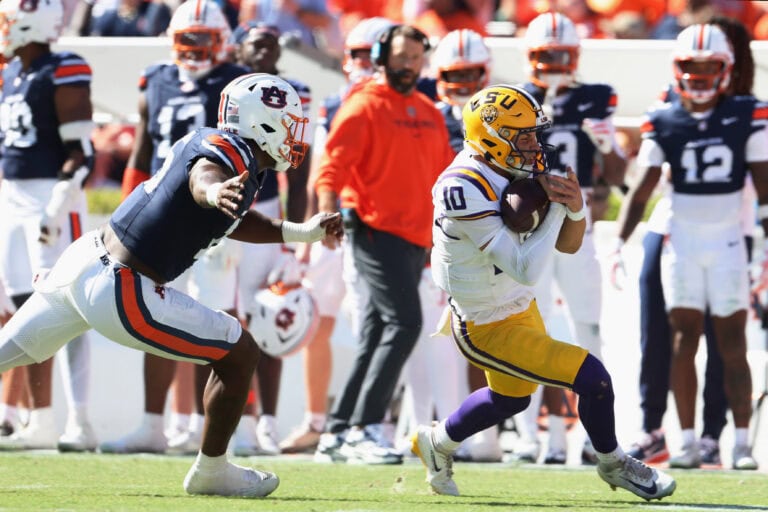
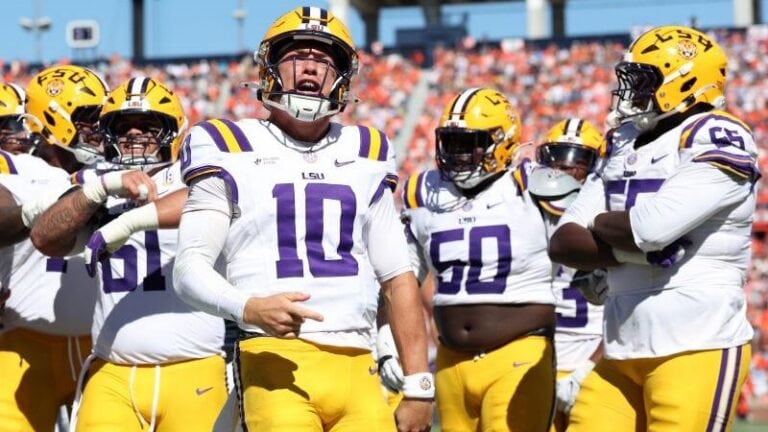
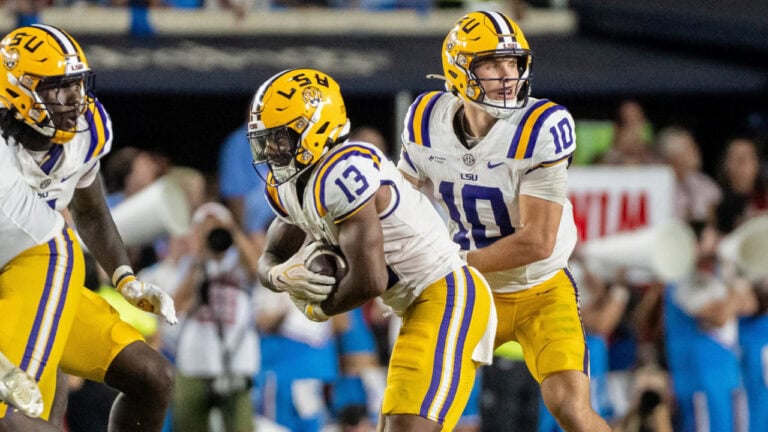
Football players make a lot of money at LSU under the current rules.
Fifth and sixth round NFL picks often do not. Often they’re released or assigned to the practice squad. I could see fringy NFL players potentially sticking around for a fifth season. They don’t have the same draft structure as baseball.
Would Jarrick-Bernard Converse or Garrett Dellinger be willing to take a six-figure offer to play another season in college? It’s possible. Jacobian Guillory certainly did it under the old rules.
I think punters and field goal kickers might strongly consider it, too.
Most players think of themselves as NFL prospects whether they are or not. So, I don’t expect a huge amount of starting players to stick it out five years in college. They’ll want to take their swing at the pros. However, money has a way of taking, and plenty of it flows through LSU Football Ops.