Saturday’s setback against Alabama hinged on red-zone production.
That wasn’t the sole reason LSU lost the game, 31-13, but it was a large part. The Tigers produced 10 points on four trips inside the Alabama 20. When the Tide got into the red zone, Keelon Russell’s offense scored a touchdown all three times.
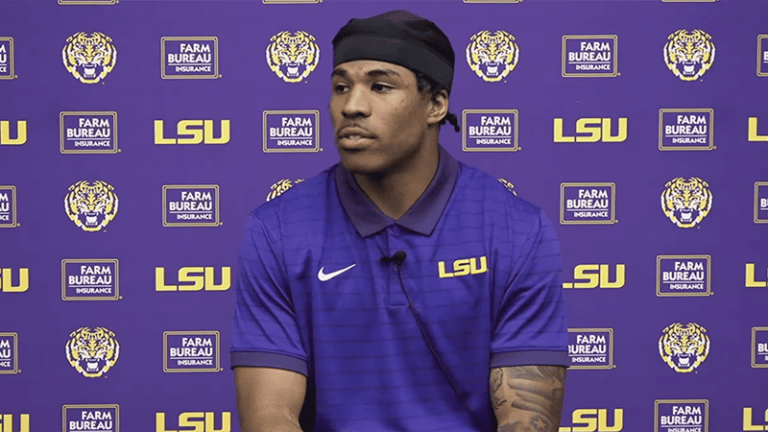
“We’ve just got to do a better job overall finishing drives,” said wide receiver Jackson Harris. “I feel like we did a did a really good job in the open field, but we just didn’t enough finish enough drives in the in the red zone, and that came back to hurt us in the end.”
The Tigers moved the ball for 457 yards. Only Florida State produced more yards on Alabama this season, and the Seminoles cashed those in for 36 points, 23 more than LSU.
Piling up yardage hasn’t been an issue for LSU all season. Few teams in college football are better. The Tigers lead the SEC in total offense by 50 yards per game over second place Georgia. Only five teams in the country, including two in the Power Four conferences, have produced more in terms of yards.
However, when the field shrinks, LSU produces touchdowns at just a 67% clip, good for 44th nationally.
The question becomes: Why?
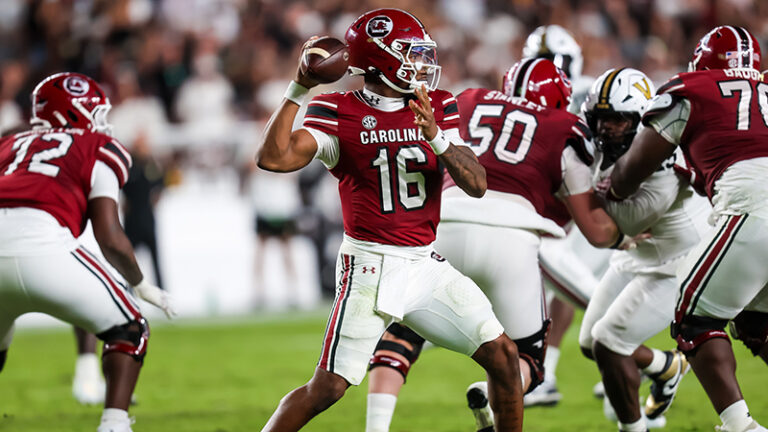
Some of it is due to quarterback Sam Leavitt’s turnovers. He was picked off twice in the red zone by Louisiana Tech. Ole Miss also intercepted Leavitt on LSU’s final play, a fourth down from the Rebels’ 6-yard line.
Another issue has been rushing offense. The Tigers are committed to the run and average 179 yards per game. That’s 40th in the country. However, when they try to run the ball in the red zone, things bog down. The Tigers average 2.9 yards per carry inside their opponents’ 20-yard line. That’s 75th in the nation.
In losses this year, LSU is running for three yards per carry. In wins, that number jumps to 4.9.
Offensive coordinator Charlie Weis Jr. and head coach Lane Kiffin have used some creativity in the running game, such as direct snaps to running back Dilin Jones. That has largely been successful in converting short-yardage situations, but it failed Saturday on third-and-one.
Last season, Trey’Dez Green was a matchup advantage for LSU on the fade pattern. That hasn’t been a feature of the Tiger offense. Perhaps that’s a function of Green’s ailing knee. He refuted that on Tuesday, suggesting he’s 100%. Instead, he suggested teams are aiming to take that play away.
“I know, obviously, when I’m in the red zone, I don’t get a lot of one-on-one looks,” Green said. “I know a lot of people game plan for me in the red zone, so that makes me happy. If somebody is double teaming me, somebody else is gonna be open.”
Texas, LSU’s next opponent, boasts an elite defense. The Longhorns are allowing touchdowns on just 39% of red-zone trips. That leads the SEC and ranks eighth nationally.
If the Tigers want to avoid a fourth loss, maximizing scoring chances will be paramount. Alabama showed some pressure looks last week that Kiffin and the Tigers have to be ready for.
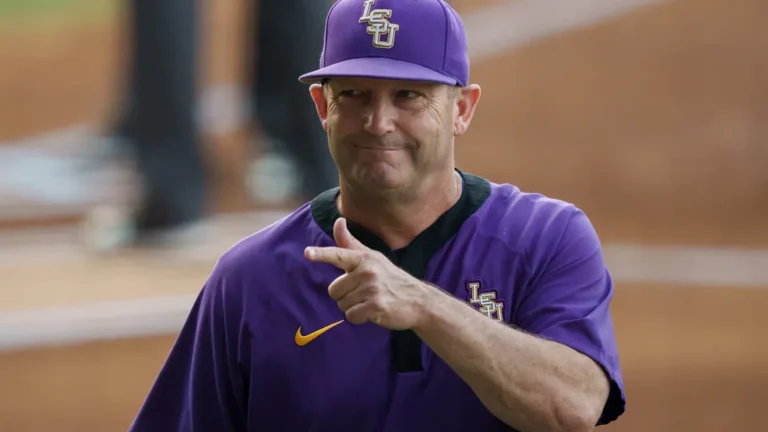
“We had great success prior to the red zone from a yardage standpoint,” Kiffin said. “They did a really good job, and they went to a very aggressive model that, if you don’t make them pay, which we didn’t, and they hit things at the right time, knocked the ball down twice in their blitzes, can be really successful, and they were. They got good coaches, too.”