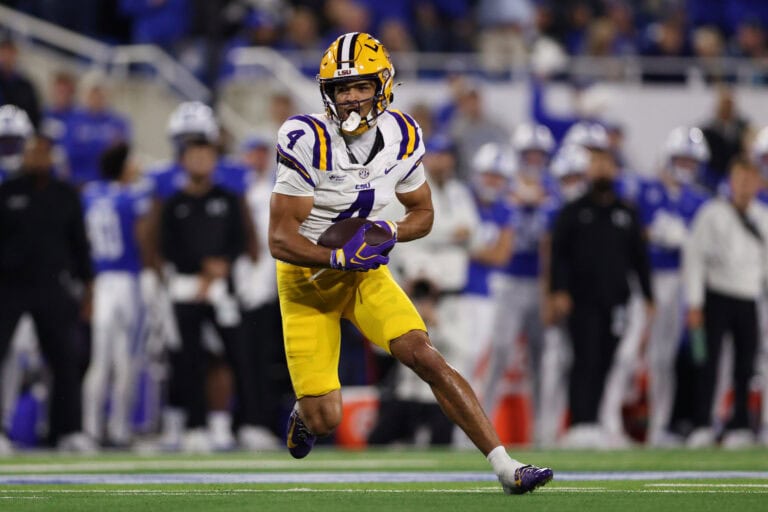
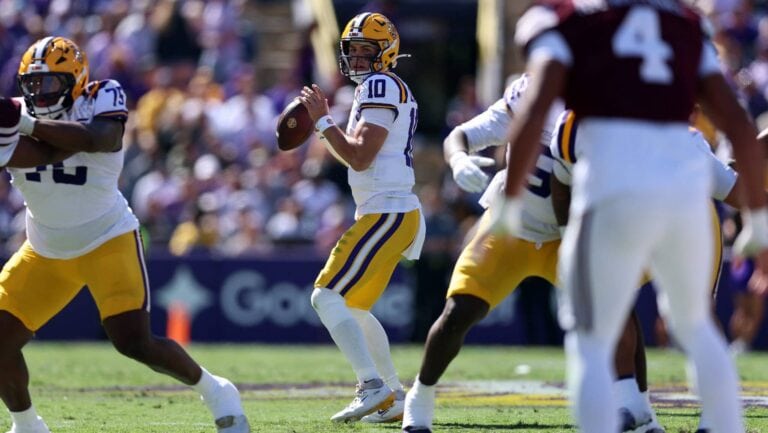
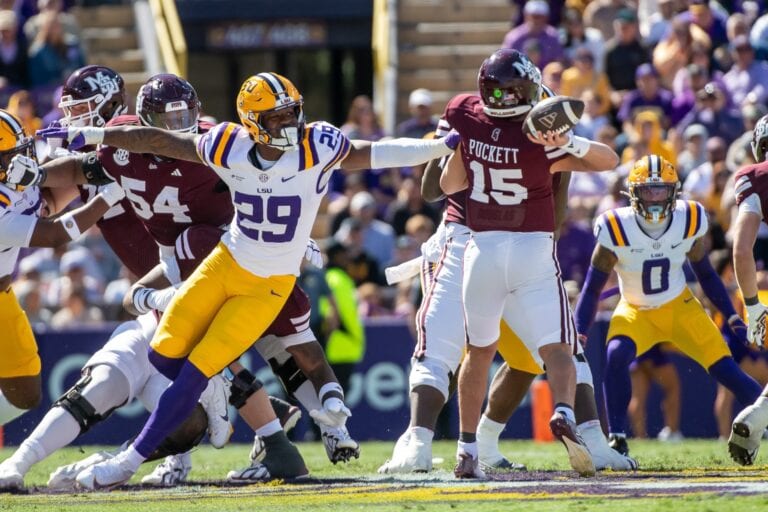
A day before their highly anticipated nationally televised matchup, which will host ESPN’s College GameDay, Clemson warned LSU that it could breach the contract between the schools by playing ineligible players.
Yahoo’s Ross Dellenger reported Friday that Clemson’s general counsel Chip Hood informed LSU’s general counsel via email that after pouring over the contact, along with school administrators, LSU could be in violation of the contract in the event it chooses to play former professional players.
Hood addressed “certain eligibility” matters that may sever “contractual obligations” between the two schools.
Clemson intends to travel to Baton Rouge for Saturday’s game, does not intend to file suit against LSU or seek any financial penalty, Hood indicated.
He said Clemson, “Supports the position of the NCAA and our conferences regarding the eligibility of professional athletes returning to play college sports.”
Wilson believes the SEC, as a private organization, has the right to govern itself and enforce the bylaws approved by all 16 university presidents.
“Once you become a professional athlete, you are banned,” Wilson said to Yahoo. “All other schools are abiding by this rule.”
LSU has until 24 hours before kickoff to submit its 105-man roster to the College Sports Commission.
Judge William Jorden cleared a path Thursday when after nine hours of testimony, when he ruled in favor of college athletes seeking a fifth year of eligibility. Among them were former Ole Miss tight end Dae’Quan Wright and defensive lineman Zxavien Harris, both LSU commits who received preliminary injunctions.
NFL teams cut both players during training camp after they previously played for first-year LSU coach Lane Kiffin at Ole Miss. Wright has practiced, while Harris has not.
Scrutiny of the game’s contract showed an article barring ineligible players from participation.
In an interview with Yahoo Sports on Thursday, South Carolina Attorney General Alan Wilson made his stance perfectly clear on pro athletes facing schools from his state in athletic competition.
“This is about fairness,” he said. “If LSU wants to change the rules for those players, they can petition the SEC to request a waiver but going to the courts. … Think of the parade of horribles. If LSU wins, every other SEC school can go to their courts and get a different judge to say something. You’d have total chaos and anarchy.”
An attorney for the plaintiffs, Ryan Downton, said he would ask the court to hold LSU in contempt if it didn’t roster his clients. According to an SEC bylaw enacted in April, teams can add players to their respective rosters as long as they have left spots available.
The SEC filed a lawsuit in Birmingham hours before the preliminary injunction hearing in Baton Rouge which named Kiffin athletic director Verge Ausberry and president Wade Rousse as defendants. It also named LSU’s Board of Supervisors.
“Defendants waged a deliberate and coordinated campaign to recruit professional athletes to play football for LSU during the 2026-27 season,” according to the SEC’s suit.